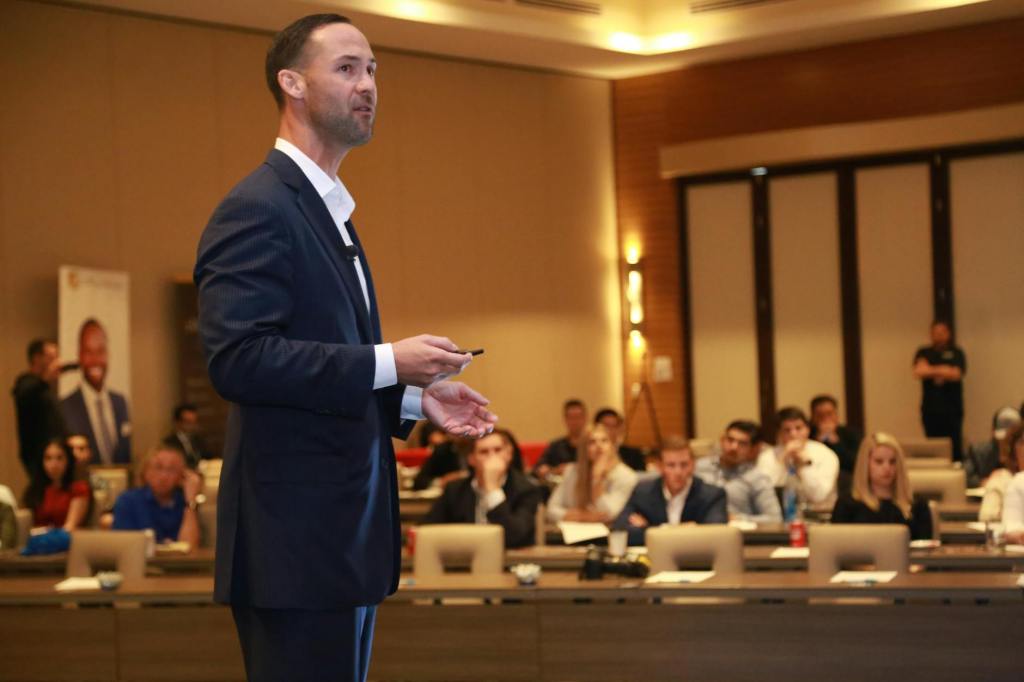
Great managers build fearless teams by cultivating psychological safety, where employees feel safe to take risks, voice concerns, and make mistakes without fear of punishment. This fearless culture is rooted in emotional intelligence, transparent communication, and consistent, trust-building leadership. By encouraging open dialogue and active listening, managers foster an environment where every team member’s voice is valued, leading to increased collaboration and innovation.
These leaders understand that mistakes are opportunities for learning and growth; thus, they promote a mindset that views challenges as stepping stones to success. This approach not only enhances individual confidence but also strengthens team cohesion, ultimately contributing to higher performance and job satisfaction across the organization.

What Makes A Great Manager
From a psychological perspective, a great manager is an empowering, emotionally intelligent coach who fosters psychological safety. Rather than micromanaging, they support intrinsic motivation, provide clear expectations, and prioritize employee well-being. Below are some key pillars to great management:
1. Emotional Intelligence (EQ): Great managers possess a high degree of EQ, which encompasses three core psychological traits:
- Self-Awareness: Understanding their own emotions, biases, and leadership styles is crucial for effective leadership. This involves recognizing personal strengths and weaknesses, acknowledging how feelings influence decision-making, and adapting one’s approach to different situations to foster a more inclusive and productive work environment.
- Empathy: Reading team needs, validating feelings, and building trust through active listening, emotional intelligence, and supportive communication.
- Emotional Regulation: Staying composed under pressure to prevent a toxic, fear-based work environment and fostering a culture of mutual respect and collaboration, where team members feel safe to express their thoughts and ideas without the fear of judgment or retaliation.

2. Psychological Safety: Psychological safety is the belief that one will not be punished or humiliated for speaking up with ideas, questions, concerns, or mistakes. Great managers:
- Normalize failure: They treat mistakes as valuable learning opportunities rather than disciplinary issues, encouraging individuals to reflect on their experiences, analyze what went wrong, and find ways to improve in the future, fostering a supportive environment where taking calculated risks is seen as a crucial part of growth and development.
- Encourage dissent: They actively ask for input from introverted or junior team members, preventing groupthink and fostering an inclusive environment where diverse perspectives are not only welcomed but also valued, ultimately leading to more robust decision-making and innovative solutions.
3. Fostering Intrinsic Motivation: According to Self-Determination Theory, human beings are intrinsically motivated by three psychological needs. Great managers cater to these by providing:
- Autonomy: Delegating outcomes rather than micromanaging the exact steps.
- Competence: Supporting career development and providing meaningful, strengths-based feedback.
- Relatedness: Ensuring team members feel seen, valued, and connected to the broader organizational vision.

4. Behavioral Consistency: Psychology shows that employees crave predictability and fairness. Great managers offer:
- Clarity: Clearly defining expectations so employees understand what defines “success” in their roles, which in turn promotes a more productive work environment and fosters greater motivation among team members.
- Reliability: Remaining consistent in their reactions and decision-making, which drastically reduces workplace anxiety, fosters trust among team members, and creates a stable environment where employees can thrive without the fear of unpredictability.
Key Psychological Drivers of Great Leadership
Great managers tap into specific behavioral principles to foster high-performing, fearless teams:
- Psychological Safety: Coined by behavioral scientists, this is the shared belief that the team is safe for interpersonal risk-taking. Managers build this by actively avoiding blame cultures and normalizing mistakes as learning opportunities.
- Emotional Intelligence (EQ): Exceptional leaders excel in self-awareness, empathy, and emotional regulation. By understanding and respecting their own and others’ emotions, they can defuse conflict and offer meaningful support during times of stress.
- Relentless Consistency: Trust is not built overnight. Leaders establish credibility and predictability by ensuring their words consistently match their actions.
- Cognitive Bias Awareness: Great managers challenge their own thinking. They encourage diverse perspectives and structured decision-making to ensure that every team member feels their voice matters.

Actionable Steps to Build a Fearless Team
To translate psychological concepts into everyday management, consider the following strategies:
- Encourage Vulnerability: Model the behavior you want to see within your team. By openly admitting your own mistakes and transparently asking for help, you give your team the necessary permission to do the same. This creates a culture of trust and openness that helps everyone to feel comfortable in sharing their challenges and struggles without the fear of judgment.
- Protect Interpersonal Space: Create a zero-tolerance policy for public shaming, interruptions, or condescending behavior during team meetings, ensuring that all team members feel valued and respected. This includes establishing guidelines for constructive feedback and promoting active listening to foster a supportive environment where everyone can contribute without fear of judgment.
- Prioritize Individual Connection: Use regular one-on-one check-ins not just to review task metrics, but to understand what motivates your employees and identify any hidden workplace anxieties they might have.
- Reward Smart Risk-Taking: Celebrate efforts and innovative ideas, even if they don’t yield perfect results. This reinforces that effort and creativity are valued over playing it safe.
How Leaders Motivate
Leaders motivate teams by fostering trust, providing autonomy, and aligning daily work with a clear, shared purpose. Instead of relying solely on rewards, the most effective leaders tap into intrinsic drivers through regular recognition, transparent communication, and authentic relationship-building.
Actionable and proven strategies include:
- Provide Autonomy: Give employees ownership over their tasks and decision-making processes rather than micromanaging.
- Connect to Purpose: Ensure your team understands exactly how their daily tasks contribute to broader company goals and the “big picture”
- Offer Growth Opportunities: Invest in their futures through mentorship, stretch assignments, and constructive development paths.
- Show Genuine Appreciation: Consistently and specifically recognize both large and small achievements to reinforce a culture of value.
- Foster Psychological Safety: Model vulnerability, encourage open dialogue, and create a space where honest feedback is welcomed without fear of retribution.

Conclusion
Great leaders succeed not just through technical skill or sheer charisma, but by mastering emotional intelligence, cognitive agility, and social influence. They build trust by fostering psychological safety within their teams, creating an environment where individuals feel valued and empowered to share their thoughts and ideas without fear of judgment.
Leaders adapt their communication to diverse team needs, recognizing that each team member has unique strengths and perspectives that contribute to the collective goal. They balance a clear, forward-looking vision with deep personal humility, understanding that true leadership is not about asserting dominance but about inspiring others to rise to their potential. By encouraging collaboration and embracing a culture of learning, great leaders not only drive their teams toward success but also nurture future leaders, ensuring sustainability and resilience in their organizations.









Leave a Reply