

Holiday burnout is basically that drained feeling you get from juggling too much during the festive chaos. You might find yourself feeling cranky, super tired, struggling to sleep, or just not feeling the holiday cheer. Your body might throw in some headaches or stomachaches too. But don’t worry! You can tackle this by saying “no” to extra commitments, keeping things simple, focusing on self-care, and just rolling with the imperfections.
“The holiday season can be both a happy and stressful time of year in part due to expectations to spend time with family and friends, navigate family conflicts and uphold important traditions,” said Arthur C. Evans Jr., PhD, American Psychological Association’s Chief Executive Officer. “At this hectic time of year, it is important that people take care of their mental health, especially in communities whose members feel disproportionately burdened or excluded from what is traditionally considered the holiday season.”
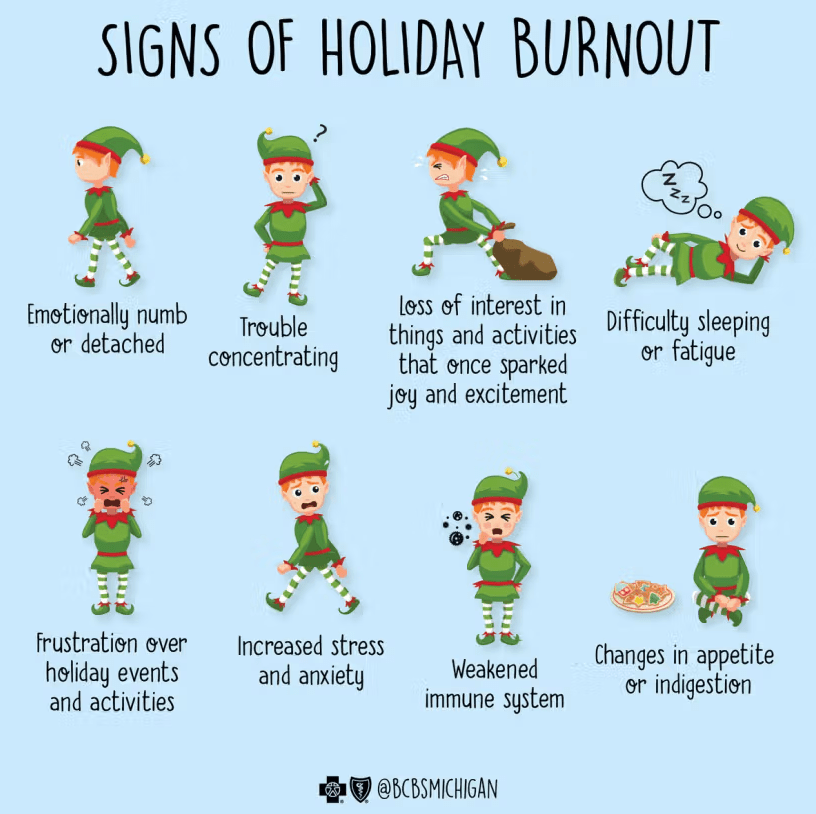
Symptoms:
Emotional: You know that feeling of being irritable all the time? It’s like you’re numb or just not really feeling anything at all. Things that used to make you happy don’t even spark your interest anymore. Your anxiety is through the roof, making you restless and all wound up. Every little task feels like a mountain, and there’s this heavy sense of hopelessness that clouds your mind, making it hard to see a way out. These feelings can just snowball over time, causing you to pull away from friends and avoid conversations, which only adds to that lonely feeling.
Physical: Feeling tired, getting headaches, dealing with stomach issues, having trouble sleeping (either not enough or way too much), changes in appetite, feeling tense in your muscles, a racing heart, shallow breaths, and just generally feeling sluggish can really throw off your day. A lot of people find it hard to focus, which can mess with how much they get done at work or in school. Plus, these physical symptoms can really mess with your mood, making it tough to hang out with others. Chronic stress can make everything worse, dragging out that discomfort and creating a tough cycle to break out of. It’s important for anyone feeling this way to reach out for help and take some solid steps to get their health back on track.
Behavioral: Snapping at the people you care about can be a big clue that you’re dealing with some stress or frustration, usually from stuff you haven’t sorted out. This irritation can make it tough to concentrate on things, so focusing at work or even managing daily tasks becomes a hassle. Plus, you might find yourself backing out of social events because everything just feels too overwhelming, which ends up making you feel even more alone. You might also start neglecting self-care, like skipping out on personal hygiene and daily routines, and that can really mess with your mental and emotional health. If you pick up on these signs please seek some help to deal with these feelings before they spiral out of control.
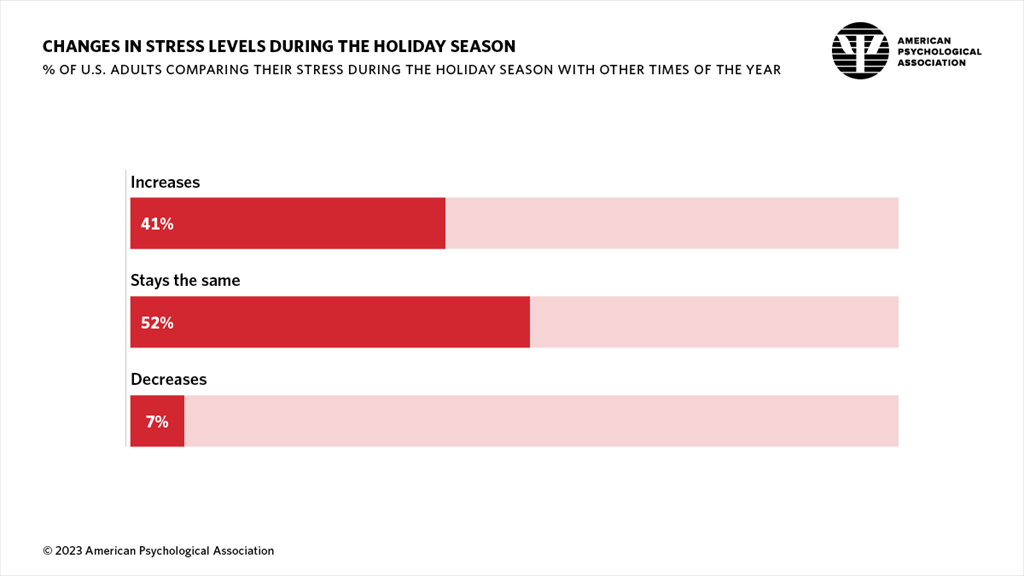
To tackle holiday stress, 88% of adults report having coping strategies. While 70% are open to discussing their stress, only 41% actually do. Others keep expectations in check (38%), remind themselves the season is temporary (35%), or volunteer to help others (16%). This information comes from a survey of 2,061 adults by The Harris Poll from Nov. 14 to 16, 2023.
How to Cope & Avoid Burnout
- Set Boundaries: Learn to say “no” to extra requests and prioritize what truly matters.
- Be Realistic: Accept that perfection isn’t necessary; allow for changes in traditions.
- Share the Load: Delegate tasks and ask for help from partners or family.
- Schedule Downtime: Build in short breaks for rest, walks, or quiet moments.
- Manage Finances: Create a budget for gifts and stick to it to avoid financial stress.
- Prioritize Health: Don’t let the season derail healthy eating, exercise, or sleep habits.
- Acknowledge Feelings: Allow yourself to feel emotions without judgment; it’s okay not to be happy all the time.
- Start Early: Tackle tasks like shopping or planning in smaller chunks over time.
- Seek Support: Talk to friends, family, or a mental health professional if feelings persist.
Remember to drink water! (Yes, I do have to remind myself 24/7 during this season)
A Little More About Boundaries:
In 2025, keeping some healthy boundaries during the holidays is important for saving your emotional, mental, and physical energy from seasonal burnout. Boundaries aren’t about pushing people away; they’re all about making the holidays enjoyable for you and the ones you care about.
Types of Holiday Boundaries
- Time: Determine how many events you can realistically attend and set firm departure times in advance.
- Conversational: Decide which topics (e.g., politics, relationships, or career) are off-limits for you and practice ways to redirect the discussion.
- Financial: Establish a strict budget for gifts, travel, and hosting to avoid post-holiday financial stress.
- Emotional: Recognize which interactions are draining and give yourself permission to step away from heated or toxic environments.
- Physical: Prioritize rest and manage your energy levels by booking separate lodging when visiting family or limiting alcohol intake.
How to Effectively Set and Maintain Boundaries
- Identify Your Needs: Reflect on previous years to see what caused the most stress and define your priorities for 2025.
- Communicate Early: Share your plans (such as only staying for a few hours) before the event to manage others’ expectations and reduce confusion.
- Use “I” Statements: Keep the focus on your needs without sounding accusatory. For example, “I need to head home by 8 PM to feel my best tomorrow”.
- Avoid Over-Explaining: You do not need a lengthy excuse to set a limit. Simple, direct statements are often the most effective.
- Follow Through: Consistency is key. If you set a departure time, stick to it to reinforce your self-trust and let others know your limits are firm.
Practical Scripts for 2025
- Declining an invite: “Thank you for the invitation! I’ve committed to a lot this week, so I’m going to sit this one out”.
- Redirecting a topic: “I’d prefer not to talk about [topic] tonight, but tell me more about [other subject]“.
- Protecting time off: “I’ll be offline from December 24th to January 2nd and won’t be checking emails during this time”.
- Limiting stay: “I’m coming for two hours, then heading home to rest”.
Managing Pushback:
When you change your behavior, others may initially resist or feel disappointed. This reaction is about their expectations, not your worth. If a boundary is repeatedly ignored, you may need to create more physical space or end the conversation to protect your well-being.
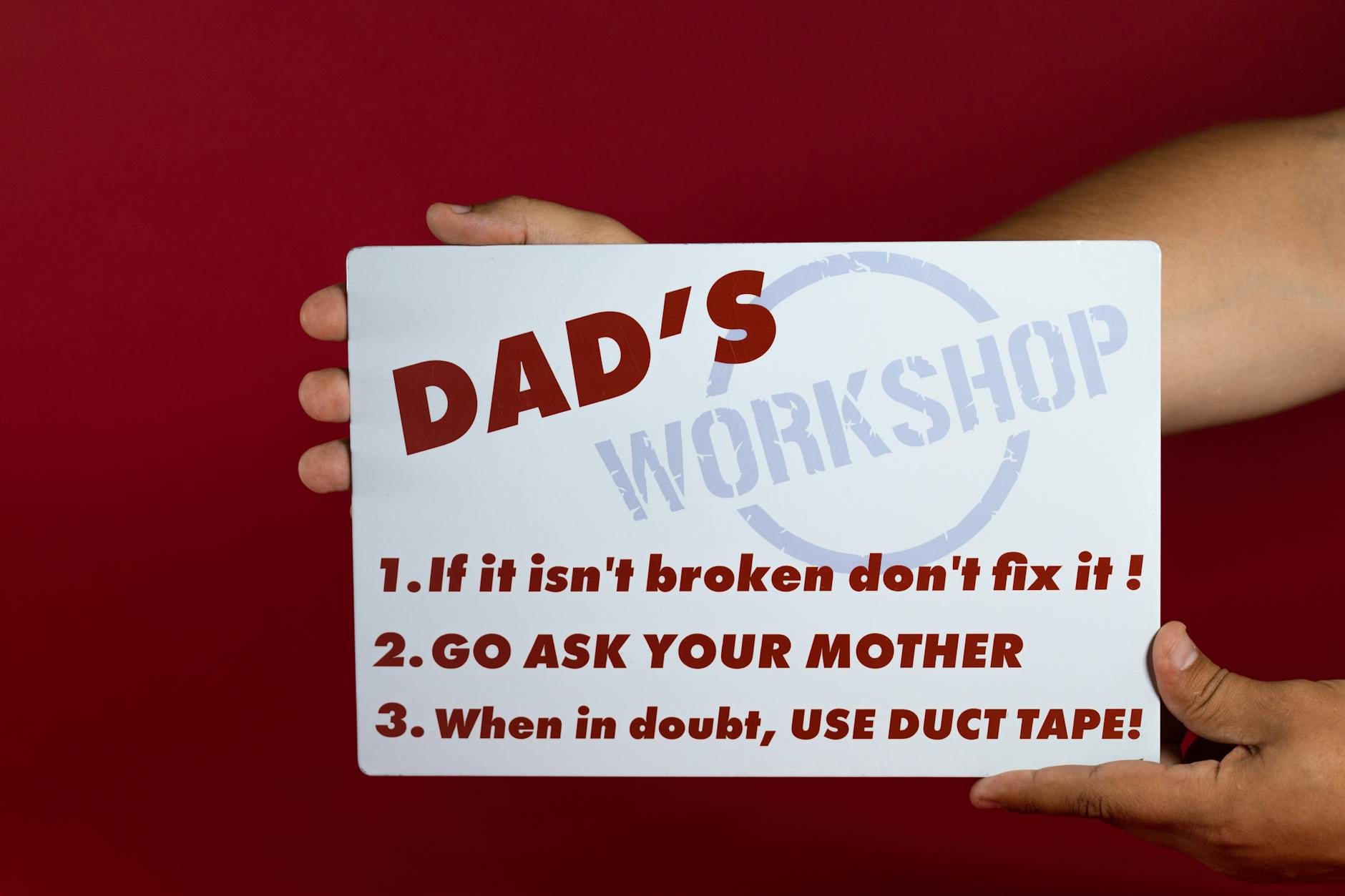
My boundaries sign would say “no oyster stuffing allowed” LOL
 A Vibrational Space
Leave a comment