

“Holidays are a source of triggers for so many. It’s the time of year where it’s easy to be overstimulated by everything going on, like music from childhood and festivities that trigger an emotional overload.” – Psychotherapist, Samantha Zhu, M.A., LMHC.
Dealing with holiday loneliness can be tough, but it helps to acknowledge what you’re feeling. Stay in touch with friends through calls or virtual hangouts, try volunteering to lift your spirits, start new traditions that feel personal, and don’t forget to take care of yourself! Get outside, hit the gym, or dive into your hobbies to boost your mood and give the season some fresh meaning. It’s also super helpful to plan ahead and have some go-to activities ready, and if you’re really struggling, reaching out for professional help is totally okay.
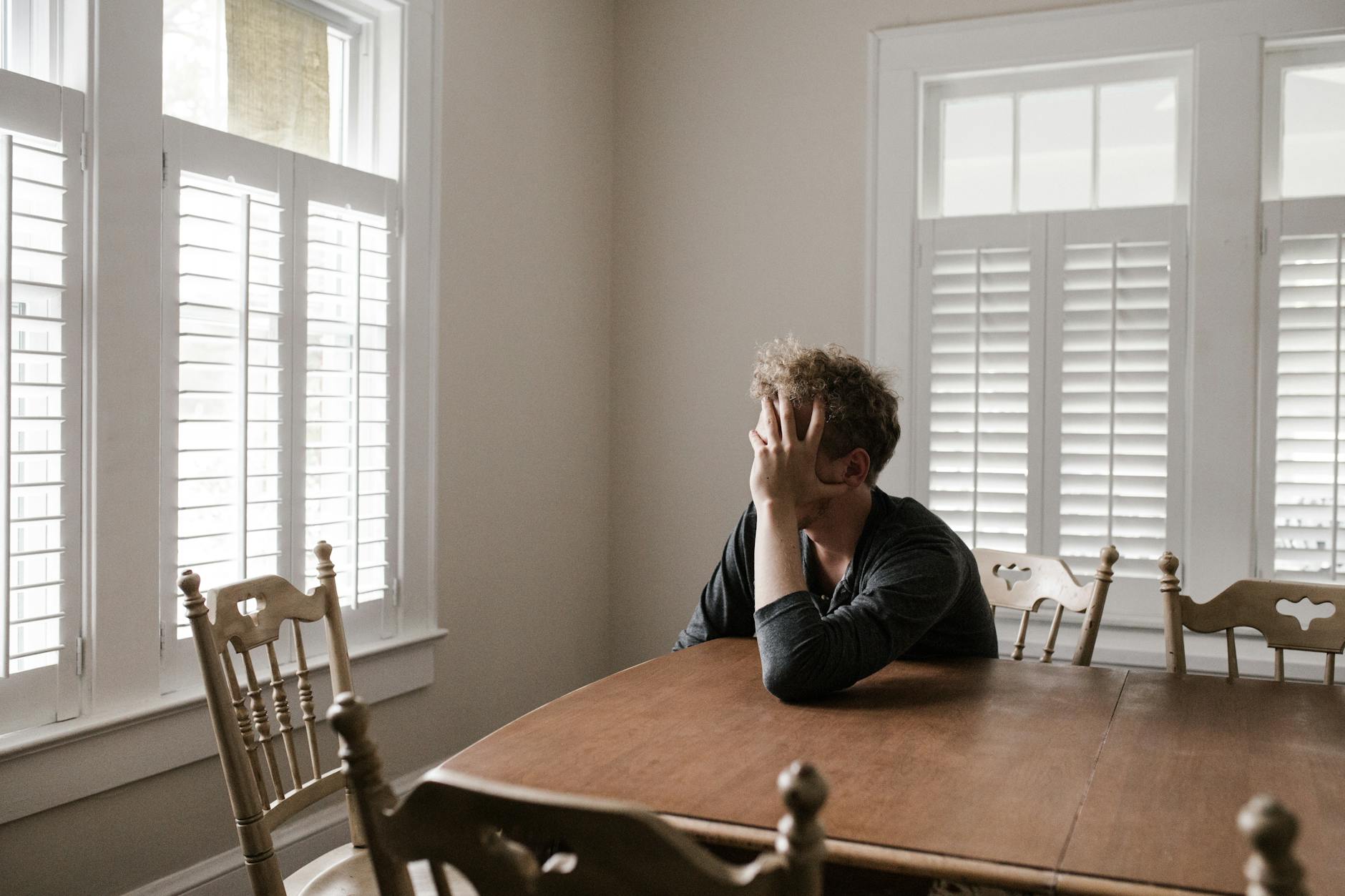
The pressure to be joyful makes feelings of isolation worse for many.
Causes of Holiday Loneliness:
- Increased Pressure & Expectations: The “perfect holiday” narrative creates stress and disappointment.
- Distance & Loss: Being far from loved ones or grieving those who are gone amplifies feelings of absence.
- Social Comparison: Seeing idealized family gatherings in media can highlight one’s own solitude.
- Financial & Logistical Stress: Money worries, travel, and packed schedules increase emotional strain.
- Family Dynamics: Tensions or lack of strong family support contribute to isolation.
Holiday loneliness affects a significant portion of the population, with surveys showing that over half of Americans (around 55-61%) experience it. This issue is often worsened by societal pressures, grief, or separation from loved ones, hitting younger adults (Gen Z), singles, and the LGBTQ+ community hardest. Its prevalence peaks during the festive season, with the focus being on themes of togetherness.
Connect with Others:
- Reach Out: Call, text, or video chat with friends and family.
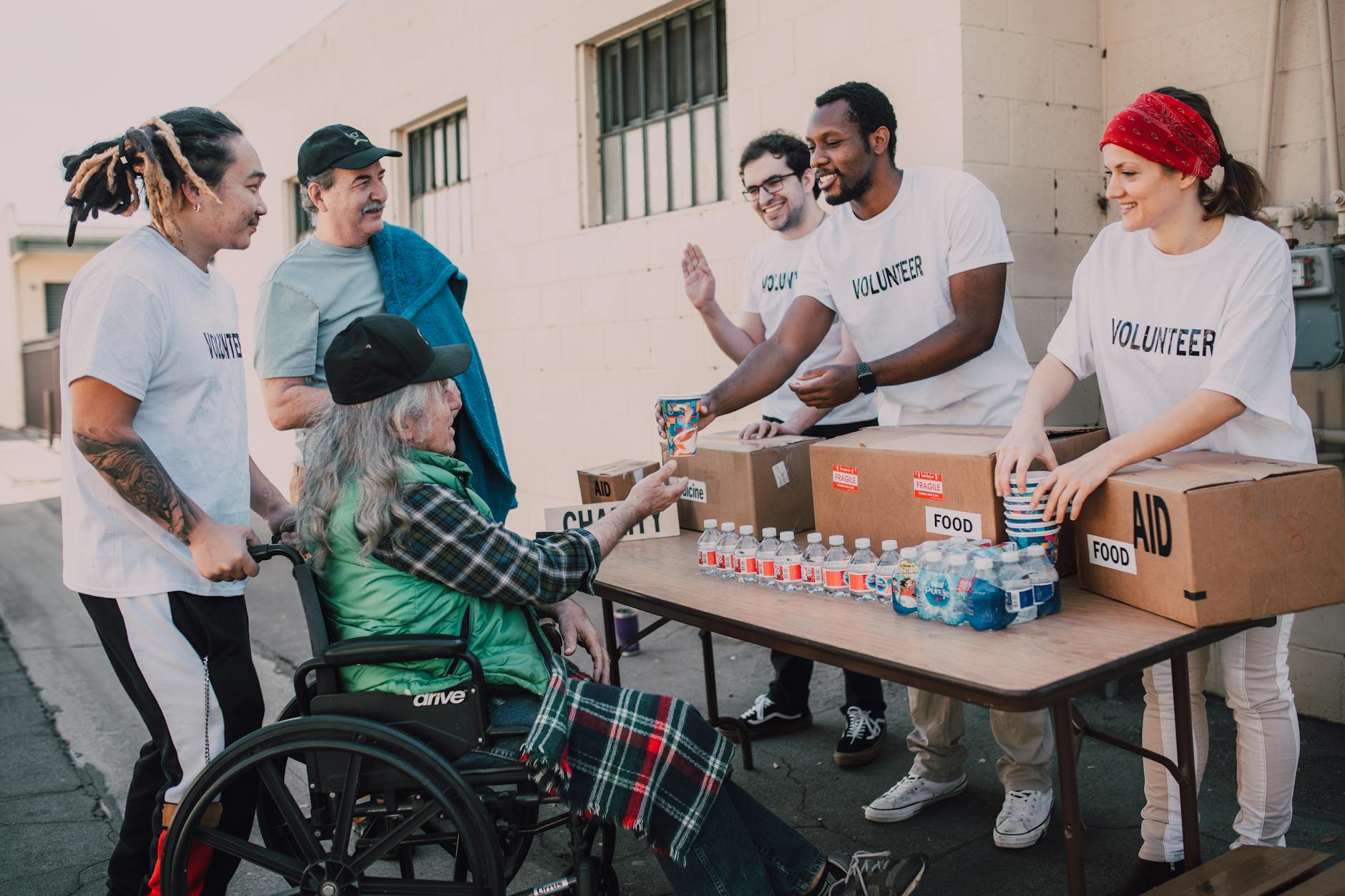
- Volunteer: Help at a food bank, shelter, or nursing home to meet people and give back.
- Attend Local Events: Look for community gatherings, concerts, or religious services.
- Join Groups: Find local meetups, book clubs, or online communities with shared interests.
Practice Self-Care & Mindfulness:
- Acknowledge Feelings: Accept that loneliness is normal and okay to feel.
- Stick to Routines: Maintain healthy habits like good sleep, nutrition, and exercise.
- Do Enjoyable Activities: Read, listen to music, take baths, or engage in hobbies.
- Get Outdoors: Take walks in nature to improve your mood.
- Practice Gratitude: Keep a journal to focus on things you appreciate.

Reframe Your Experience:
- Create New Traditions: Make a favorite meal or watch beloved movies to build new, positive memories.
- Plan Ahead: Schedule activities to have things to look forward to.
- Limit Social Media: Turn it off if it increases feelings of comparison or isolation.
- Set Realistic Expectations: Don’t compare your holiday to idealized versions seen online.
Solo Activities to Try:
- Go to a movie.
- Try a new hobby or learn something new.
- Cook a favorite meal.
- Take a warm bath or go for a walk.
- Join free or themed walking tours to learn about the city and meet others.
- Take local cooking, art, or language classes.
- Hike popular trails, visit botanical gardens, or simply find a great spot for sunrise/sunset.
- Explore museums at your own pace, attend local theater, or check out night markets and festivals.
- Take a city bus tour, a short cruise, or a train ride for easy sightseeing.
- Spend time people-watching at cafes with a book or journal.
- Enjoy meals at your own pace, try street food, or go for a fancy dinner (it’s a great experience!).
- Book a spa treatment or enjoy quiet time in your room.

Consider Small Acts of Kindness
A 2023 American Psychiatric Association (APA) “Healthy Minds Poll” found 89% of people felt better (significantly, somewhat, or a little) after doing a small act of kindness, with 90% feeling better when receiving one, highlighting kindness’s positive impact on mental well-being, boosting happiness and connection for both giver and receiver.
Small acts of kindness can be super simple, like holding the door for someone, giving a compliment, or even just sharing your snacks with a friend. Here’s some more ideas:
- Checking in on a friend who seems a bit low or bummed out
- Giving away the less-loved items you own, monetary donations, or your time to help out a good cause
- Buying someone a little gift
- Helping out at a food pantry or playing with some pups at an animal shelter
- Setting up a coffee date with a friend who’s been going through a rough patch
- Reaching out to a buddy who had a tough year with a loss
- Sending a meal to a family that just had a baby or someone who’s under the weather
- Sending a sweet card to someone you care about
While therapy, self-care, hanging out outdoors, and binge-watching feel-good movies can definitely brighten your spirits during the holidays, don’t forget that a little kindness can work wonders too.

When to Seek Help:
If persistent sadness and loneliness are overwhelming, reach out to a doctor or therapist. While loneliness is common, it can exacerbate existing mental health issues like depression and anxiety.
 A Vibrational Space
Leave a comment