

This post talks about Normal Anxiety: A natural response to a perceived threat or stressor NOT to be confused with Anxiety disorders: A condition where anxiety is overwhelming, persistent, and hard to control, impacting daily functioning (please consider talking to your doctor if you’re experiencing the the latter).
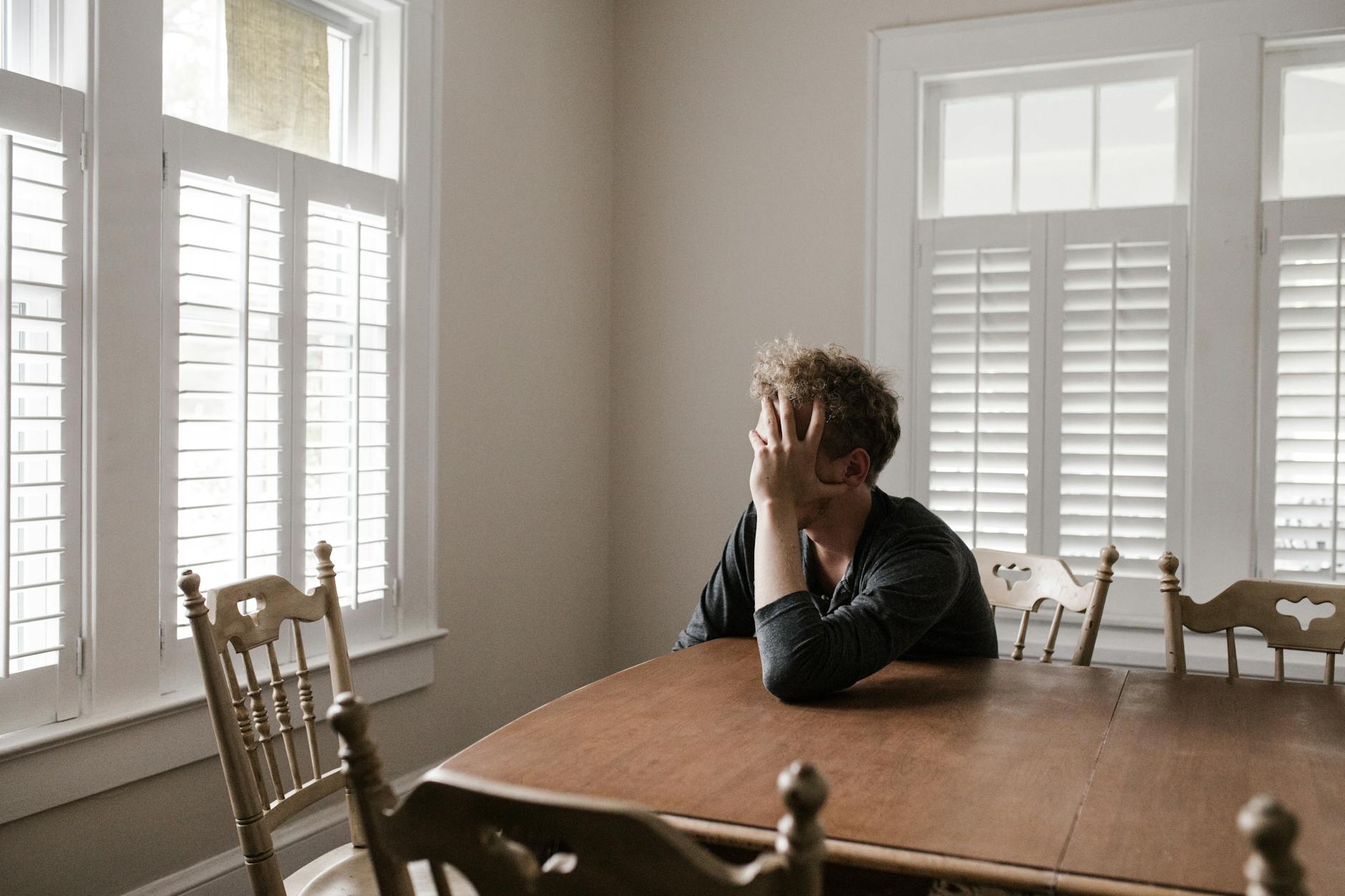
Everyone experiences moments of anxiety or panic throughout their lives, and that’s completely normal. A touch of anxiety can be quite beneficial; for instance, feeling a bit anxious before an exam can sharpen your focus and enhance your performance. While it’s true that excessive anxiety can pose challenges, managing it effectively can lead to personal growth and resilience, enriching your daily life experiences.
What’s up when you’re feeling anxious or panicky?
When you’re anxious or scared, your body will release stress hormones like adrenaline and cortisol, energizing you for action. These hormones are an amazing part of the body’s natural “fight or flight” response, equipping you to face challenges head-on. This physiological reaction can sharpen your focus and boost your energy in critical situations, making you more alert and ready to seize the moment.
Although this response can be incredibly beneficial and even life-enhancing in many situations, it may also present physical sensations that are intense yet manageable. For instance, an increased heart rate and a little sweating are common expressions of this stress response. Your heart might race as it pumps more blood to your muscles, preparing you for action and exciting challenges ahead. At the same time, you may notice some sweating as your body cools itself down, which can be a sign that you’re gearing up for something important, reminding you to embrace the moment rather than feeling self-conscious.
In some individuals, the stress response can escalate to the point of causing a panic attack, but it’s important to recognize that this is manageable. A panic attack, characterized by sudden and intense anxiety, might feel overwhelming, yet it serves as an opportunity for growth and understanding. When these sensations arise, they can motivate individuals to explore coping strategies and strengthen their resilience. During a panic attack, you may notice symptoms such as shortness of breath or chest discomfort, but each experience can lead to valuable insights about managing fear and anxiety. Embracing these challenges can break the cycle of worry, promoting a healthier mindset and enhancing overall well-being. Understanding these dynamics is essential for effectively navigating and overcoming anxiety and panic attacks, paving the way for a more peaceful life.
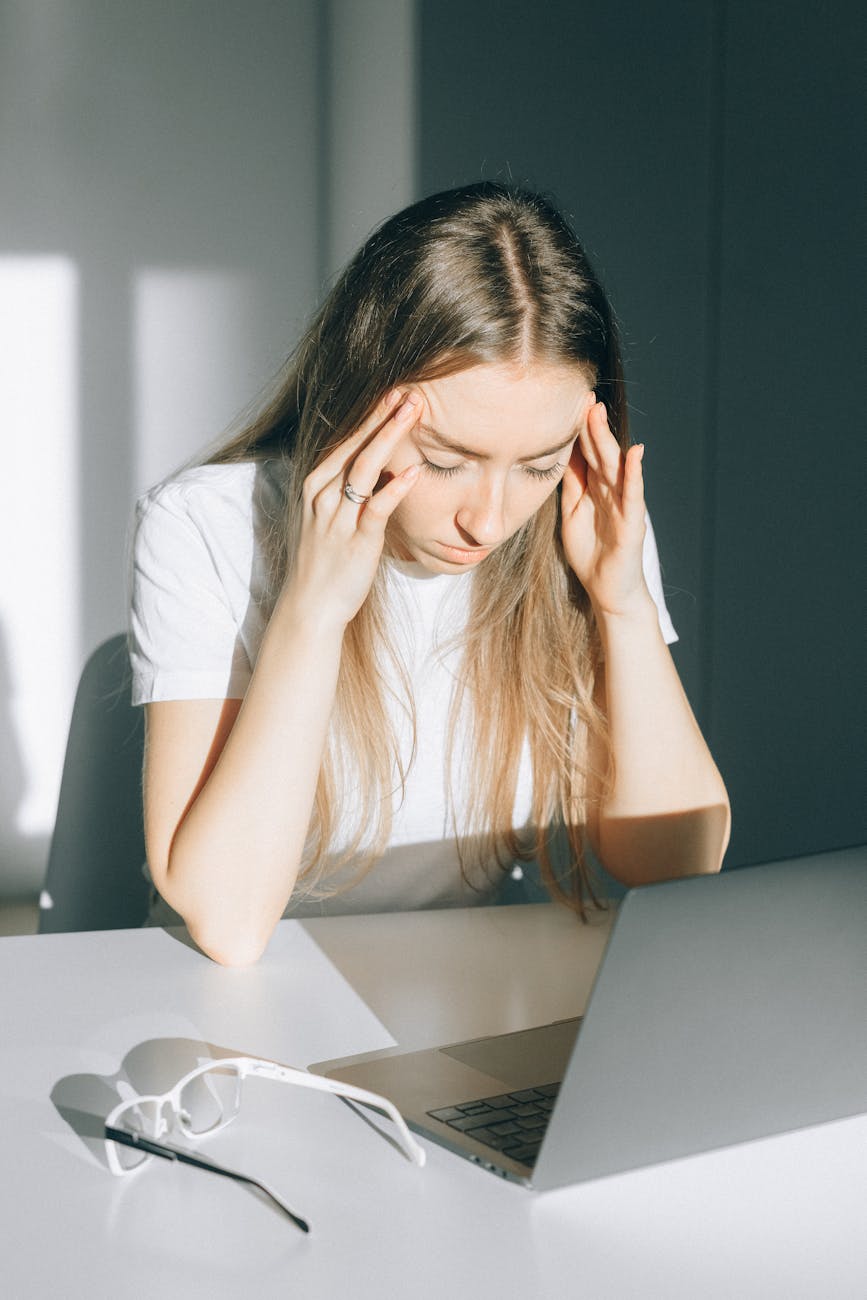
Signs of a panic attack:
If you’re having a panic attack, you may experience a range of intense symptoms that can be overwhelming and frightening. The emotional component can be just as distressing, with feelings of fear or anxiety that seem to come out of nowhere, leaving you feeling disoriented and vulnerable. Understanding these symptoms can be the first step towards managing the panic attack and seeking appropriate help or coping strategies. You may experience:
- what feels like an irregular or racing heartbeat (palpitations)
- numbness (especially in the lips/face)
- sweating
- trembling
- shortness of breath (hyperventilation)
- a choking sensation
- nausea
- dizziness
- tingling fingers
- ringing in your ears
- feeling disorientated
- dry mouth
Most panic attacks last somewhere from 5 to 30 minutes, though the duration can vary significantly between individuals. During this time, a person may experience overwhelming feelings of fear or impending doom, accompanied by physical symptoms such as rapid heartbeat, shortness of breath, and dizziness. These intense episodes can feel much longer to those who are experiencing them, often leading to increased anxiety about future attacks. It’s important to understand that while the attacks themselves are typically brief, their impact can linger, affecting one’s overall mental health and daily life.

Does anyone else get palpitations looking at this picture?
Causes of anxiety or panic:
Anxiety or panic can hit us in all sorts of random moments, and honestly, it varies from person to person. Some causes of anxiety and panic include:
- Bereavement: the process of mourning the loss of a loved one and coping with the feelings of grief that arise, often requiring time, support, and understanding from others to navigate the emotional journey through this difficult period.
- Work: unemployment, retirement or workload
- Family – divorce, caring for someone or relationship challenges
- Financial Problems – debt or unexpected bills
- Health – illness or injury
- Past Experiences – bullying, abuse or neglect
- Big Life Events – buying a house, planning a wedding or having a baby
Regular anxiety, fear, or panic can also be a symptom of another health condition like depression, post-traumatic stress disorder (PTSD), or certain thyroid problems. These emotional states often reflect deeper underlying issues, indicating that the body and mind are reacting to various stresses or imbalances. For instance, individuals experiencing these symptoms might find that they correlate with specific triggers or life events, further complicating their overall mental health. It’s essential to consider a comprehensive evaluation by a healthcare professional to determine if these feelings stem from a more serious condition that requires targeted treatment and support. This holistic approach can lead to a better understanding of one’s emotional responses and pave the way for more effective coping strategies.

Ways to manage panic and anxiety:
- Find the power of calming breathing exercises to boost your well-being
- Appreciate your regular activities – allow yourself the freedom to enjoy every moment!
- Explore the sources of your stress – understanding what affects you can empower you to manage panic attacks more effectively.
- Regular exercise – it’s a fantastic way to boost your mood, relieve stress, and enhance your confidence, making each day feel brighter and more enjoyable!
- Boost your energy levels and feel better by enjoying regular, healthy meals.
A Bit of Advice:
- Try setting small, achievable targets – each step forward brings you closer to your goals.
- Embrace situations that make you anxious – gradually increase the time you spend facing them to build your confidence.
- Abstain from attempting to alleviate anxiety through the use of alcohol, cigarettes, gambling, or drugs.
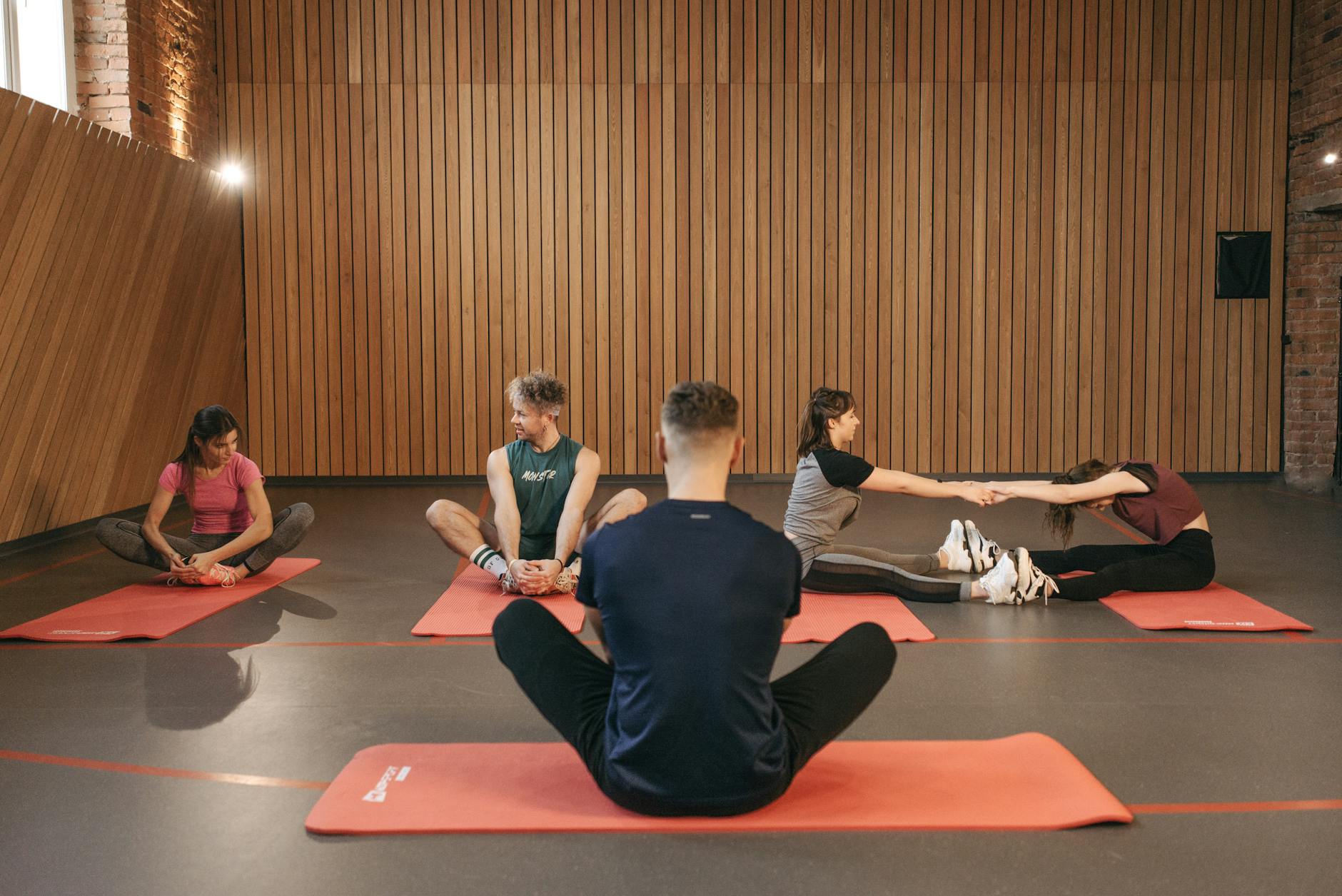
Dealing with Panic Attacks:
When you start to feel that panic kick in, take a moment to focus on your breathing. Try doing a quick breathing exercise; it really helps you calm down. (Google “breathing exercise” and see what happens)
Maybe try paying more attention to what’s happening around you instead of stressing about your body. For example, you could:
- Listen to music
- Count all the *choose color* objects around you
- Do something fun that you like, like relaxing with a good book, taking a stroll, or binge-watching your favorite shows.
- Think about things you can see, hear, smell, and feel around you in your immediate environment, paying close attention to the little details that often go unnoticed, such as the color of objects, the sounds of nature, the fragrance of flowers, and the texture of surfaces.

I swear concerts heal me.
You can also uplift yourself using positive coping statements. For instance, remind yourself that while panic attacks may feel intense, they are simply a temporary experience and cannot cause any harm.
Staying present in the situation you’re in can be incredibly empowering. It reminds you that you have the strength to face your challenges head-on, and that the panic can transform into calm when you embrace the moment.
Help for anxiety or panic:
If you’re feeling a bit off, it’s a great idea to chat with your doctor. They will want to hear about your symptoms, how frequently they occur, and the duration you’ve been experiencing them, all to help guide you on your path to feeling better. Your doctor may also carry out a physical examination to rule out other conditions that could be causing your symptoms.
If you’re cautious about seeing your doctor about it (I understand people have reasons) try reaching out to family, friends, a counselor, or another health care professional.
It can sometimes be challenging to share your feelings, emotions, and personal life, but it’s important to remember that there’s no need to feel anxious or embarrassed. Talking to someone can be a wonderful opportunity to gain insights and work towards positive solutions together.
References: NHS Inform
I love, love, loved these videos:
 A Vibrational Space
Leave a comment